
About Homeopathy
Homeopathy is a scientifically structured system of natural medicine that has been practised worldwide for over two centuries. It follows the principle of “like cures like”, using highly diluted substances to stimulate the body’s natural healing response.
Homeopathic remedies are prepared from natural sources through a precise process of potentisation, making them gentle, safe, and suitable for people of all ages, including infants, the elderly, and those with chronic conditions.

Holistic and Individualised Treatment
Homeopathy focuses on treating the entire person, not just isolated symptoms. Each patient is carefully evaluated based on their physical condition, emotional state, mental outlook, and overall constitution to identify the most appropriate remedy.
Even when two individuals experience similar physical complaints, their treatments may differ depending on how they feel emotionally and mentally. This personalised approach aims to stimulate the body’s natural healing mechanism, restore internal balance, and support long-term health in a gentle and natural way.
Types of Conditions Treated
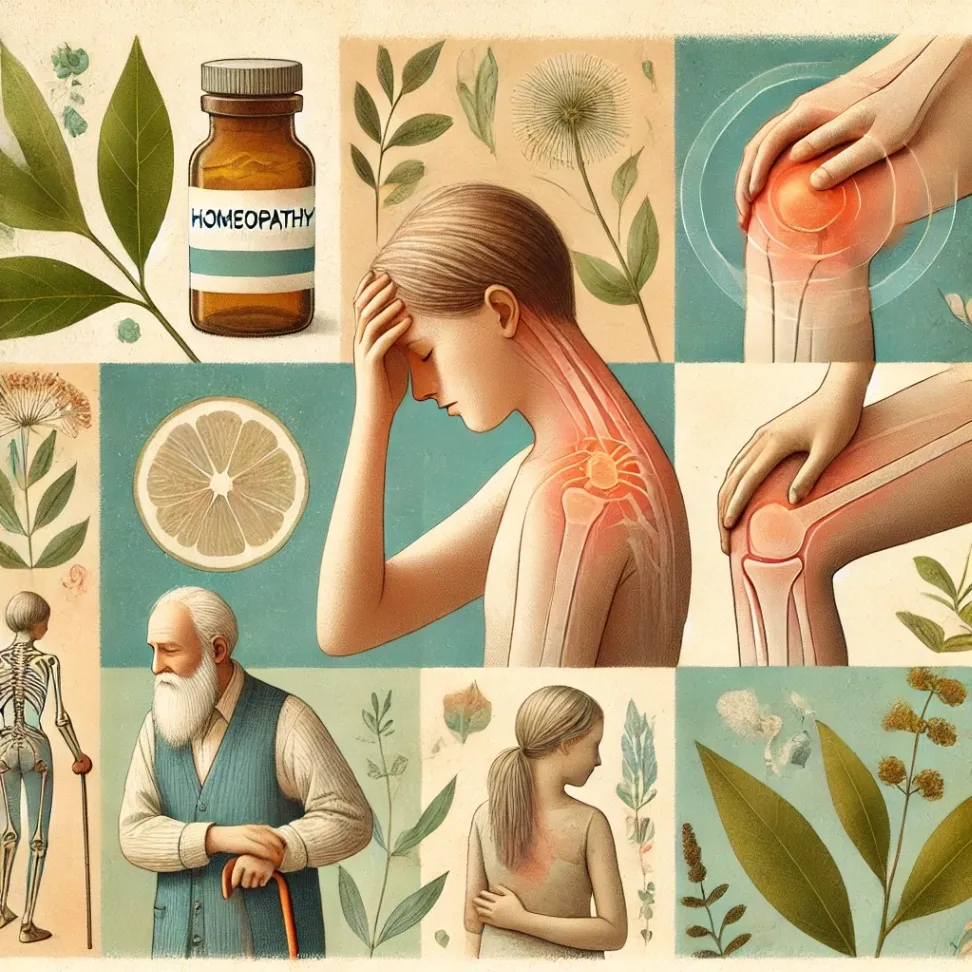
Homeopathy is a versatile system of medicine that supports the management of a wide range of health conditions by addressing the underlying imbalance rather than only suppressing symptoms.
It can be effective for acute concerns such as colds, headaches, minor injuries, and infections, as well as long-standing chronic conditions including allergies, arthritis, digestive disorders, skin complaints, and anxiety. By selecting remedies based on the individual’s unique symptoms and overall health, homeopathy offers a comprehensive and personalised approach to care.
Scientific and Clinical Aspects
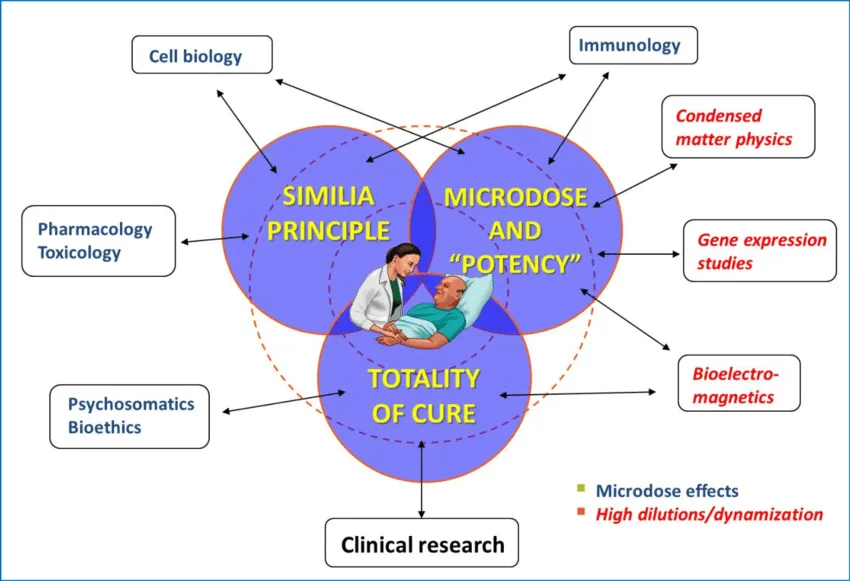
Homeopathy has been explored through clinical observations, case studies, and research efforts over many years, particularly in the context of long-term and chronic health conditions.
While perspectives on its effectiveness may differ, many patients report meaningful improvements, especially when conventional approaches offer limited relief. Homeopathic remedies are prepared through a well-defined process of dilution and potentisation, ensuring they are gentle, non-toxic, and safe for regular use under professional guidance.
How to Use Homeopathy
Acute Homeopathy (Self-care)
- Observe Symptoms Carefully: Note any unusual changes in mood, behavior, or physical symptoms. Writing them down helps accuracy.
- Match Symptoms to Remedies: Compare your symptoms to homeopathic remedy descriptions and select the one that most closely matches.
- Administer the Remedy: Give 3–5 pellets under the tongue. Wait and observe. If no improvement within 2 hours, you may give a second dose. For emotional upset, wait 24 hours before redosing.
- Adjust if No Change: After 3 doses with no effect, consider a different remedy or contact a healthcare professional.
- Encouragement: Finding the right remedy may take a few tries. If difficulties persist, consult a professional homeopath.
Chronic Homeopathy (Professional Care)
- Identify the Chronic Condition: Determine if the patient has a long-standing issue or recurring flare-ups. Observe physical, emotional, and mental symptoms.
- Seek Professional Guidance: Chronic conditions should always be treated by a qualified homeopath. Self-treatment is not recommended.
- Detailed Case Analysis: The homeopath collects a detailed history, noting patterns, triggers, and past treatments to select an individualized remedy.
- Remedy Administration: Given under professional supervision. Dosage and frequency are adjusted based on response.
- Follow-up & Observation: Regular follow-ups monitor progress and adjust treatment. Improvement may be gradual, requiring patience and consistent observation.